What Is 24K Gold? Understanding the Purest Form of Gold
But what exactly does 24K gold mean? Why is it considered the purest form of gold? And if it’s so valuable, why isn’t every piece of jewellery made from it? Let’s explore everything you need to know.
Understanding the Meaning of 24K Gold
The “K” in 24K stands for karat, a unit used to measure the purity of gold. Pure gold is divided into 24 equal parts. When all 24 parts are made entirely of gold, the metal is classified as 24-karat gold, which has a purity of 99.9%.
Unlike lower-karat gold, 24K gold contains little to no alloy metals such as silver, copper, zinc, or nickel. This high level of purity gives it its distinctive rich yellow colour and exceptional value. Because it is the closest form to natural gold found after refining, it is often referred to as investment-grade gold.
Why Is 24K Gold So Valuable?
One of the most common questions people ask is, “If 24K gold is the purest, why do jewellers mostly sell 22K or 18K jewellery?”
The answer lies in the physical properties of pure gold.
Gold is naturally a soft metal. While this softness makes it easy to shape into intricate designs, it also means that pure gold can bend, scratch, or lose its form when worn daily. Rings, bracelets, and chains made from 24K gold are more prone to damage compared to jewellery made with stronger gold alloys.
To improve durability, jewellers mix small amounts of metals such as copper, silver, or zinc with pure gold. This creates 22K, 18K, or 14K gold, making the jewellery stronger while still retaining its luxurious appearance.
For this reason, 24K gold is more commonly found in:
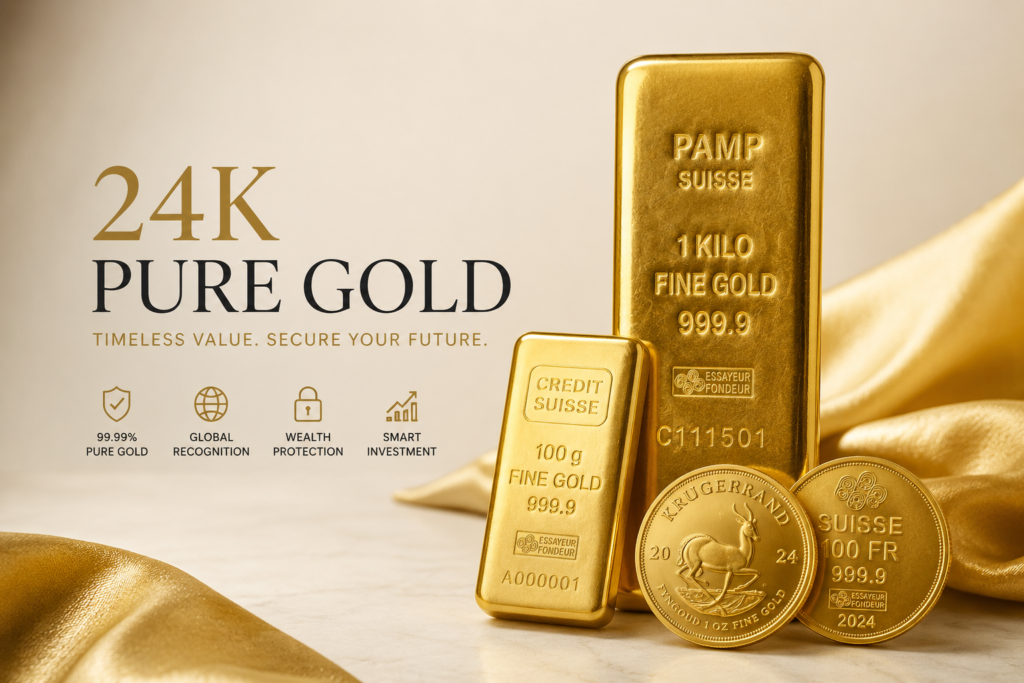
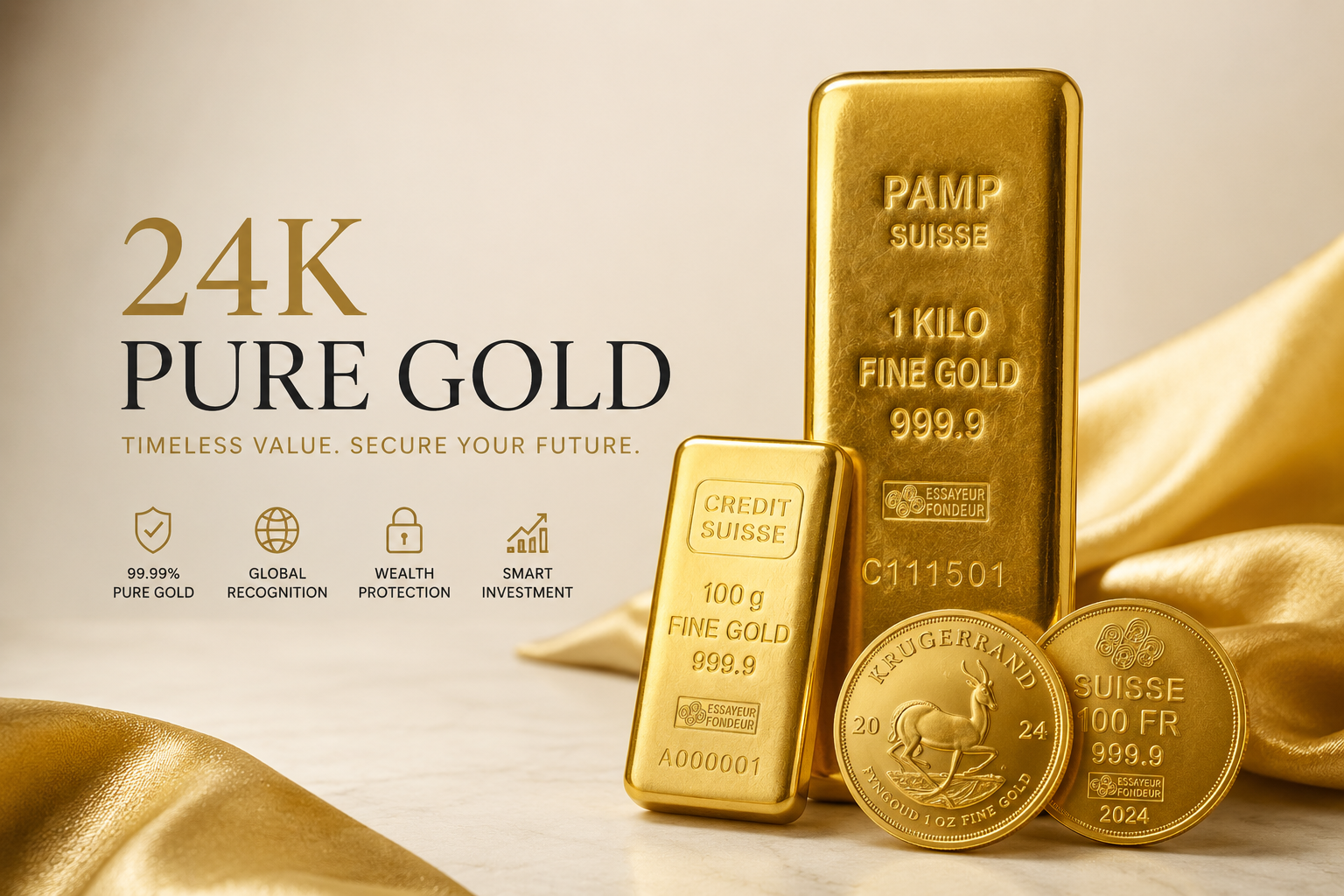
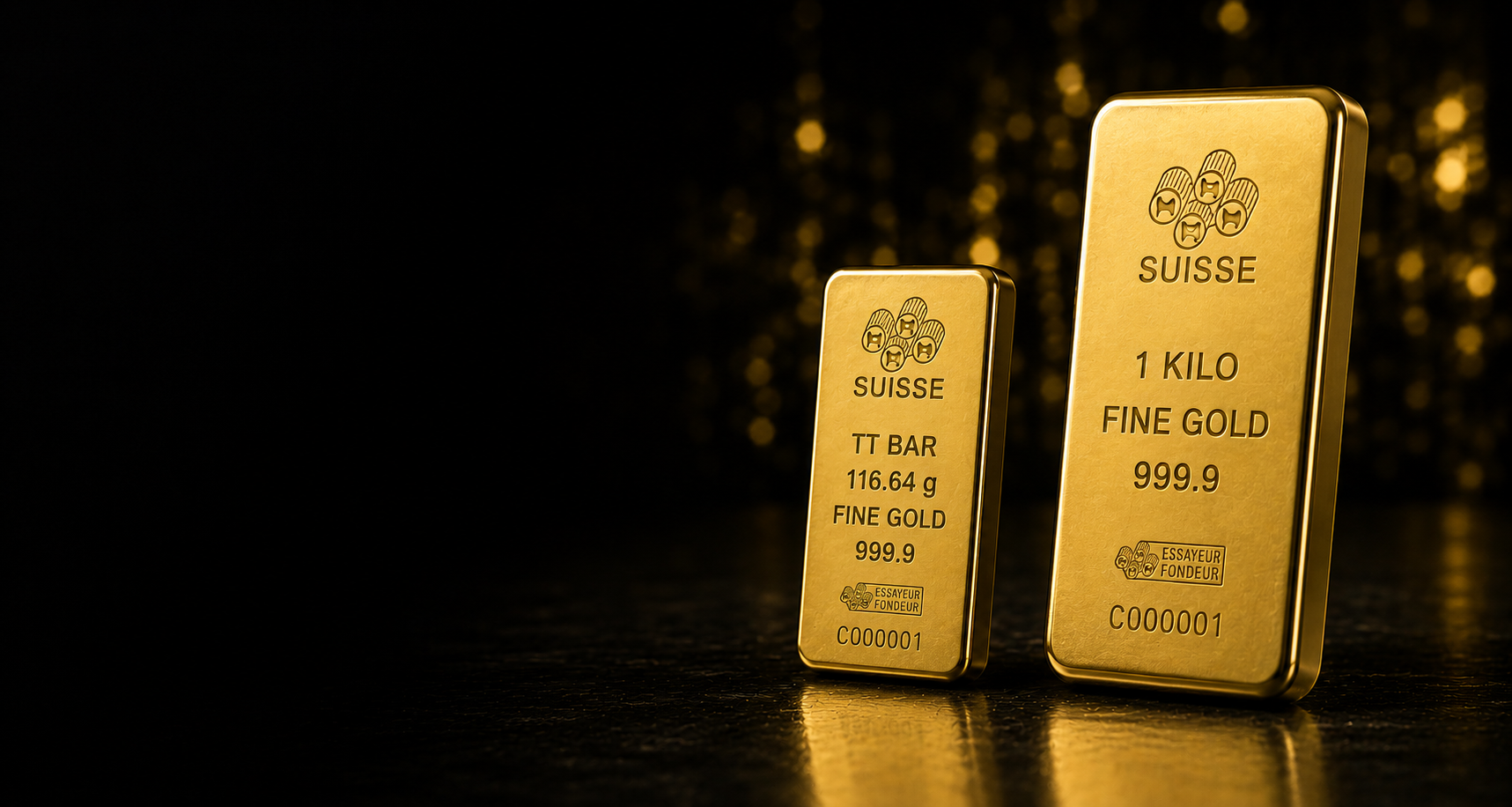
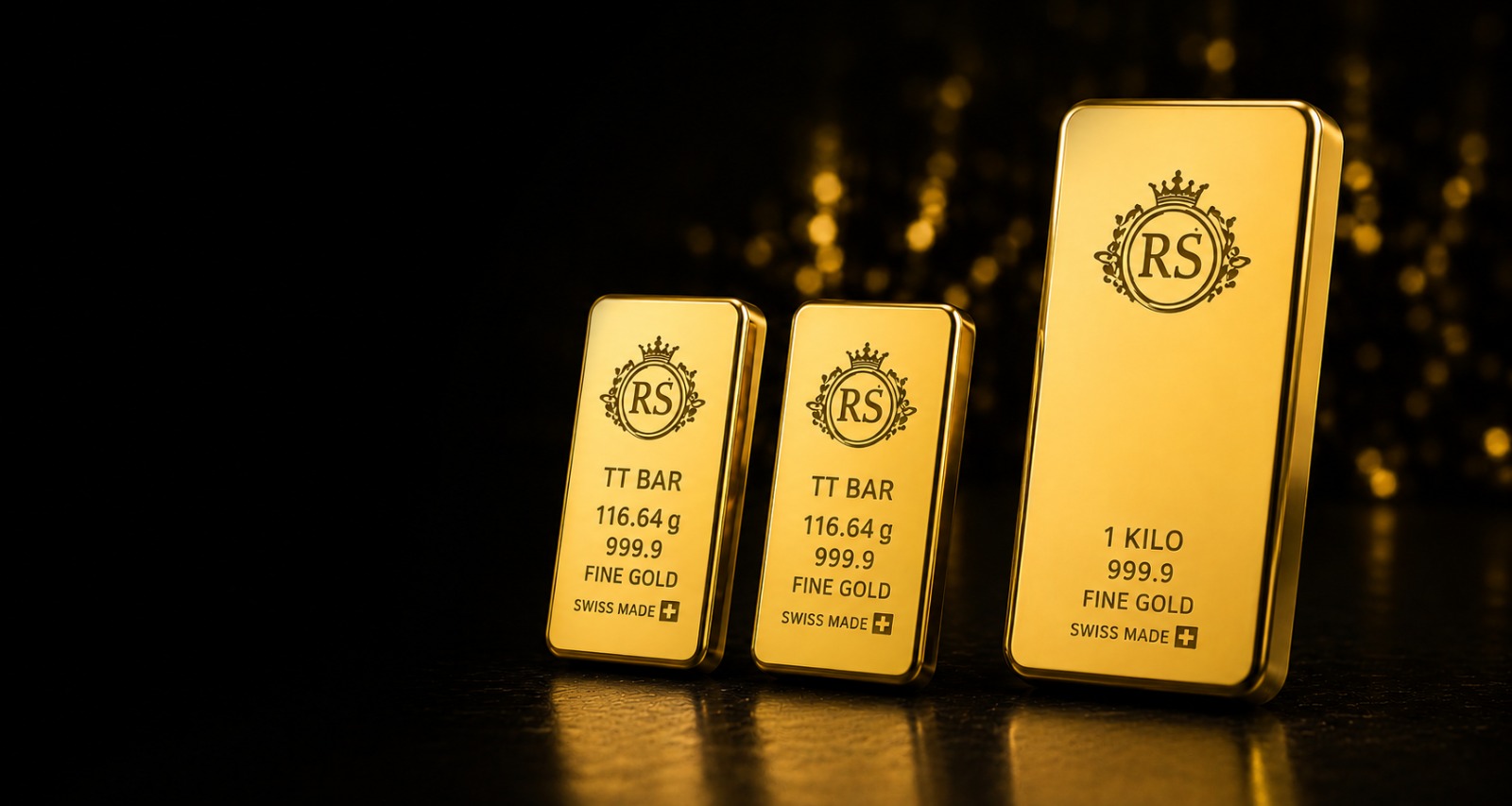
Gold bars
Gold bullion
Investment coins
Limited-edition collectibles
Traditional ceremonial pieces
24K Gold vs. 22K Gold: What's the Difference?
Although both are valuable, they serve different purposes.
24K gold contains 99.9% pure gold, making it ideal for investment. It has a brighter yellow colour but is softer and less suitable for everyday wear.
22K gold, on the other hand, contains approximately 91.6% gold, with the remaining percentage made up of alloy metals. This makes it much stronger, allowing jewellers to create durable ornaments that can be worn regularly.
If your goal is preserving wealth, 24K gold is often the preferred choice. If you’re purchasing jewellery for daily use, 22K gold offers a better balance between purity and durability.
How Can You Identify Genuine 24K Gold?
Buying gold is a significant financial decision, so verifying its authenticity is essential.
When purchasing 24K gold, always look for the 999 purity mark, which indicates that the gold is 99.9% pure. In many countries, official hallmark certifications are issued by government-approved agencies to guarantee purity and quality.
It’s also important to buy from reputable bullion dealers, established jewellers, or certified gold retailers. Requesting an invoice and certification provides additional assurance that your purchase meets recognized quality standards.
Is 24K Gold a Good Investment?
For many investors, the answer is yes.
24K gold is widely regarded as one of the safest long-term investment assets. It provides portfolio diversification, acts as a hedge against inflation, and is easily traded in global markets. Unlike some financial assets, physical gold carries intrinsic value and is not dependent on the performance of a single company or institution.
Whether you’re investing for future financial security, wealth preservation, or legacy planning, 24K gold continues to be a preferred choice for both first-time and experienced investors.
However, as with any investment, it’s important to monitor market prices, purchase from trusted sources, and consider your long-term financial goals
24K gold represents the highest standard of gold purity, offering unmatched quality, lasting value, and worldwide recognition. While its softness makes it less practical for everyday jewellery, its purity makes it the preferred choice for investment-grade bullion, coins, and wealth preservation.
Understanding the difference between gold purity levels allows you to make informed purchasing decisions, whether you’re buying for investment, gifting, or personal collection. As global demand for pure gold continues to grow, 24K gold remains a timeless asset that combines tradition, trust, and long-term value.